In the past weeks, I’ve been writing about the role of safety, agency and integration in supporting neurodiverse, gifted and twice-exceptional learners.
Integration, in this framework, refers to an individual’s self-integration in terms of proprioception and emotional regulation, as well as integration into social settings.
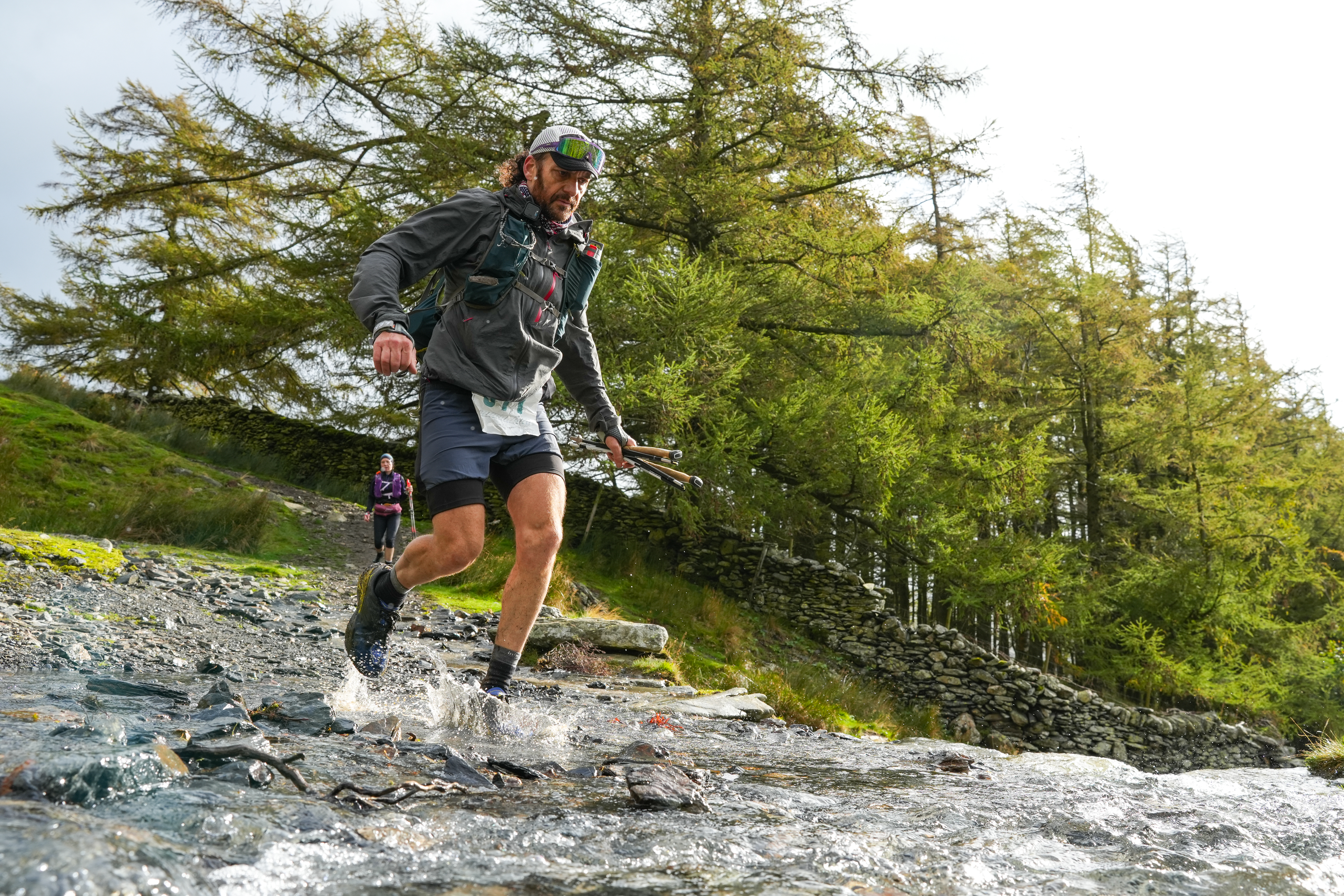
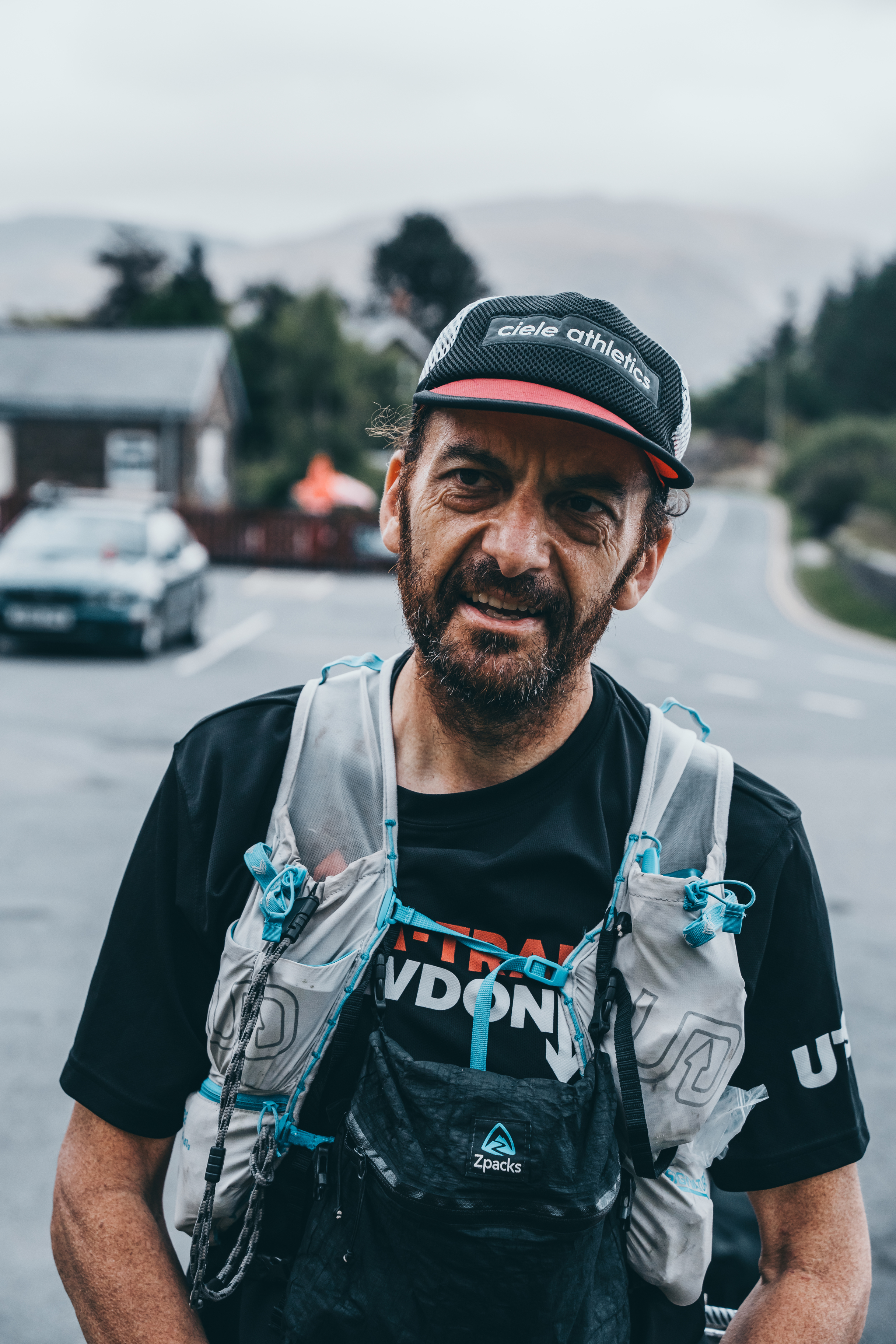
This week, I am delighted to share an interview with Ishmael Burdeau, an ultra-runner, former competitive cyclist and late-diagnosed autistic — focusing on how endurance sports can support individual and community integration.
Burdeau, a software engineer by trade who considers himself an “athlete first,” lives and trains in England’s Peak District. He alighted there after a peripatetic childhood and youth which took him to Alaska, Hawai’i, Oregon (we missed each other in Eugene by a few years), Colorado, Florida and Europe.
Long-distance cycling and running helped Burdeau create the sense of safety and agency missing from his “unorthodox” upbringing and find spaces where he could integrate and thrive.
What is your background?
My mother died when I was eight; my dad kept traveling. He was into hitchhiking [with three young children] – it was crazy then; it sounds more crazy now.
[My brothers and I] hated it. So when we were hitchhiking through Europe and saw a family cycling, we convinced my dad to get bikes. Our first trip was across Canada and New England – a couple of thousand miles maybe. That’s how I got into long-distance cycling.
When and how did you discover your autism?
Four years ago. As a kid, I never fit in, never had a group. In the 90s, I got curious [about Asperger’s] but I thought… I’m not a real autistic person.
Then, during Covid, I realized, I never really had friends, I don’t like social situations, working from home suits me 100%. I’ve always struggled with anxiety and depression. The thing that made sense was autism.
I had been turned off by the “male brain” [theory of autism]. I didn’t feel I had a “male brain,” which led me to ignore some of the other traits – social awkwardness, special interests, oversharing. I realized there was more to autism than collecting trains and doing pi to a load of digits.
How did it feel to be diagnosed?
I thought it would help me understand myself. My whole life has been – not wrong, but there were things I could have done differently.
There is a common pattern [with diagnosis] of an initial high of, “oh, this is what’s wrong with me!” Then years of ruminating and not getting the support you want.
Has the diagnosis given you what you needed?
I wouldn’t be having this conversation with you if it hadn’t. As a white, middle-aged man, I have a lot of privilege, so I’m trying to be more open. I don’t want people who are going through the things I did growing up to feel like I did.
What did you feel like as a child?
I was the kid in the library, reading, doing Lego. I didn’t have a sense of my physical body – I was a brain person.
How did you become an endurance athlete, then?
I got a racing bike and so enjoyed going out for two, three, four hours on my own. I’ve always liked things that were different. I’ve never been driven to beat people, or for my team to win; I like pushing myself, testing my physical and mental limits. That’s what drew me to cycling.
How did you start competing?
Cycling was an outlet for the part of me that loved quests, adventures, overcoming adversity. I won races; I did well. My weakness was that I didn’t enjoy riding with others. And I didn’t have that push to beat competitors. I wasn’t good at the high-risk descents or peloton riding. I would do well in the right circumstances, but otherwise I was just another rider in the pack.
How long did you pursue racing?
[As a teenager] I raced in Italy, in France. At 19 or 20, I realized being a pro cyclist wasn’t for me. I was on a French semi-pro team and the lifestyle was awful. In the US and UK, cycling is a sport for weirdos; but in France or Italy it is mainstream. [It attracts] a lot of American-footballer types who are interested in money, cars, girls. So I quit. Then I disappeared from sport for about 10 years.
What brought you back?
I got to my 30s and thought, I’m going to run a marathon.
I could barely run a mile: as a software engineer, I didn’t do anything physical. But I wanted to run the London Marathon and the options were to enter a lottery or to run fast. So I started running as fast as I could. After a year I got a qualifying time – 3:05 – and started doing more and more marathons.
I was obsessed with marathon times for five years. I got to 2:45, which was my limit as a 35-year-old with a full-time job. I was burnt out on running, so I got back into cycling. I started winning races again and got my Elite licence by the time I was 40.
I was looking for something else and discovered ultra-cycling. As a teenager, I wanted to do Race Across America and be one of the guys who rode all night and day for a week. So, in my 40s, I began doing 24-hour races and placing, then multi-day events.
What’s your most memorable race?
In 2014 I did a London to Istanbul race of about 2200 miles. It’s unsupported: you set off from London with whatever you can carry. There are checkpoints in Paris, Montenegro, Italy, and Istanbul, but apart from that, you are self-sufficient – and it’s super dangerous because you’re riding on public roads.
That was the most amazing sports experience I’ve ever had. You go through such experiences of extreme weather, getting lost, your bike breaking, trying to find food, or a place to sleep, riding through the mountains, or along huge highways. It was incredible. I placed Top 10 that first year.
I made the mistake of trying to do it again the following year, to fix the things I’d done poorly, but it was a harder race. After that, I quit cycling. Burned out again.
What was your next step?
I decided to be an ultra-runner. First, 100-mile races, mountain races. Then I got into 200-milers. You’re running, hiking, jogging, you have hallucinations, vomiting, blisters. I like those challenges.
What draws you to these challenges?
It’s like people who start off on marijuana then wind up on heroin: you start with a 10K, then a couple of years later, you’re doing 200 mile races.
I had a good session with a sports psychologist, Nickademus de la Rosa; he saw my pattern of extreme then burn out. [He] has made me think about what I get satisfaction from internally, which is planning a route, then going out for two, three, four days of solo effort.
Fastest Known Time (FKT) events. These can be self-supported, meaning you find or buy food and necessities; or unsupported, where the only thing you get from elsewhere is water.
Last year, I did an unsupported 75-miler which I enjoyed. Last month, I did 90 unsupported miles.. I’m going to do this for the next couple years, then see what I do at 60.
How has sport affected your identity and sense of self?
It has been my core identity since I was 16. Planning events and training gives me a lot of stability; the seasons, the events, the training program, the rhythm of the year keeps me together. It gives me a sense of purpose.
At the same time, a lot of it has been driven by other people’s expectations. If I’d known [about my autism] earlier, I could have done things that would have been better for me instead of chasing other people’s goals.
I don’t regret the Boston Marathon, or competing for the Elite licence, but I would have had more satisfaction from other things. I would have liked to do adventure racing. which is typically a team of four people spending three to five days running, mountaineering, biking, canoeing, and climbing.
Neurodivergent individuals often struggle with proprioception – awareness of their body in physical space – what role does athletics have in strengthening this?
For me, it was massive. As a young kid, I had poor proprioception. I couldn’t hit a ball, catch a ball, anything that involved coordination. I thought sports were about coordination, and I didn’t have it, so I couldn’t do sports.
When I was about nine, I had a PE lesson in Hawai’i. The teacher said to run laps, and I won. Suddenly, I had this idea that I could do things physically. Running is simple. Coordination isn’t a factor; even in trail running, it’s not going to stop you taking part.
Another area of challenge can be emotional awareness and self-regulation – what is your experience of how exercise influences these aspects of life?
Since I was a kid, I’ve known that it helped my mood regulation. My father was critical of me for doing that, he said, “only mentally ill people go running, what’s wrong with you?”
People will say “you’re addicted to running, you’re using it like a drug” but that’s unfair. It’s a way to make life more bearable.
Many neurodivergent students struggle with finding a space among their peers – how can endurance sport support community integration?
I’ve always encouraged runners or cyclists to join a club. Even if you don’t go to the events, you can show up at races in club colors; it gives a sense of identity.
Socially – if I see someone at work in running shoes, or they talk about cycling to work, it’s a point of connection; it takes away a lot of awkwardness. Even neurotypical runners and cyclists are happy to talk sport. My brother-in-law is super neurotypical, but he’s into triathlons. We don’t share other interests, but we talk about his training, his bike, his preparation.
What do you see as the chief benefits of athletics for ND learners – especially in supporting life-long learning and career development?
It’s given me a lot of confidence. Doing an endurance race makes you see other things as not so difficult. You think, “I’ve slept in the mountains for three nights, I can deal with this bad boss.”
How does athletics support overall well-being?
A lot of special interests – computer games, train collections or whatever – are sedentary, and lack of activity puts neurodivergent people at risk for poor health. Knowing you can do something outdoors, in nature, that you can do for your whole life, is important. I’d like to see more emphasis on kids doing things where they are having an adventure, testing their limits, gaining confidence.
Divergent Conversations– a podcast hosted by two AuDHD therapists that covers a variety of topics related to neurodiversity and mental health.
Your next big adventure?
Running 130 miles along the Snowdonia Way in north Wales, on my own, carrying my own food. A solo effort: no entry, no prizes. If I can do this, I’ll see if I can do 150 or 200 miles unsupported.
Follow Ishmael’s ultra-adventures & his articles on running and autism.